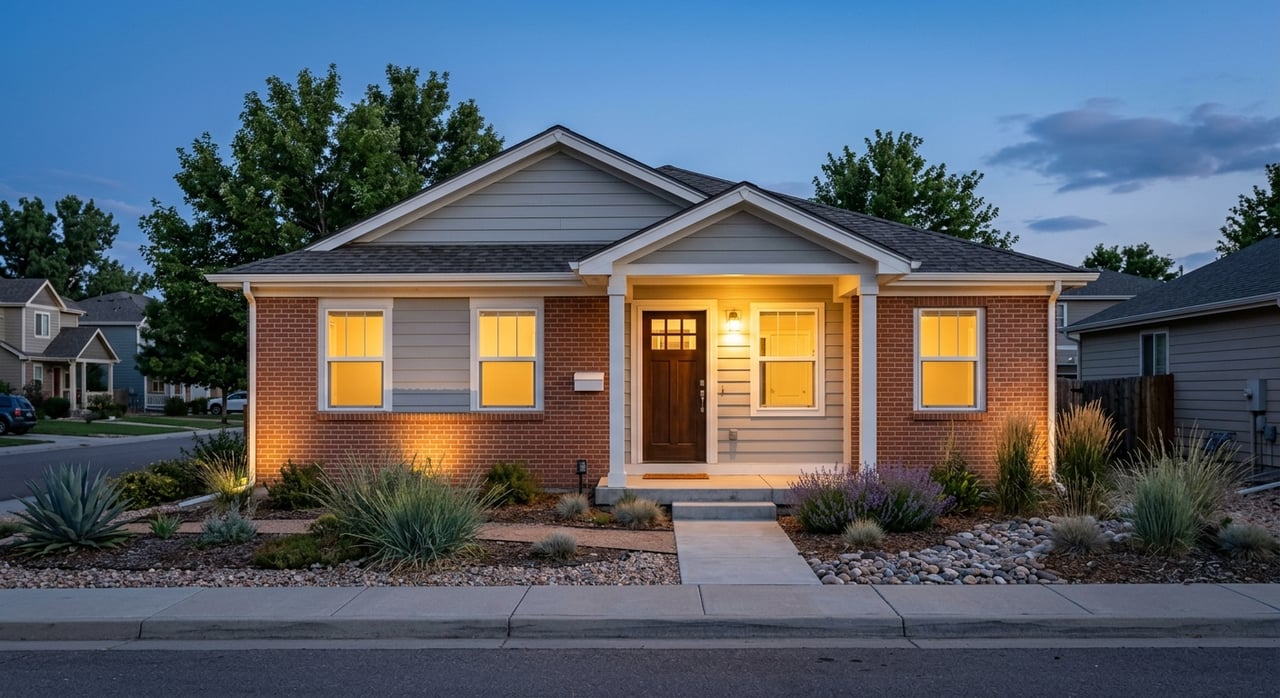
Buying your first home can feel like trying to hit a moving target, especially in a close-in Denver-area market. If Englewood is on your radar, the good news is that it offers a more varied path into homeownership than many buyers expect. With the right budget, housing type, and location strategy, you can find real opportunities here. Let’s dive in.
Why Englewood Appeals to First-Time Buyers
Englewood stands out because it gives you access to a central location, a broad housing mix, and practical transportation options. According to the U.S. Census QuickFacts for Englewood, the city had an estimated population of 35,238 in 2024, with a 47.7% owner-occupied housing rate and a mean commute time of 23.1 minutes.
That combination matters when you are buying your first home. You are not just comparing square footage or finishes. You are also weighing commute time, monthly costs, and how easily a home fits your day-to-day life.
What Starter Home Prices Look Like
If you are hoping for one simple price point for Englewood, it is better to think in ranges. Redfin market data shows a March 2026 median sale price of $573,750 in Englewood, which was down 3.6% year over year. Homes were selling in about 18 days and getting about 2 offers on average.
That price point puts Englewood below Denver at $630,000 and Littleton at $627,500, while staying close to Lakewood at $575,500. For many first-time buyers, that makes Englewood worth a serious look if you want central access without reaching into some of the higher nearby median price ranges.
Within the city, pricing can shift quite a bit. Research indicates that 80110 is generally the lower-entry submarket, with a median sale price of $517,182, while 80113 trends higher, at about $660,000 based on the provided market snapshot. In practical terms, a realistic starter-home search range in Englewood often falls from the mid-$500,000s to the mid-$600,000s, depending on property type and location.
Where First-Time Buyers Usually Find Options
One of Englewood’s biggest advantages is its housing mix. The city’s strategic plan reports that the housing stock is 58.7% single-family detached, 5.3% attached homes such as duplexes and townhomes, 34.8% multifamily housing, and 1.2% mobile homes.
That means your starter-home search does not need to focus on one category alone. In Englewood, first-time buyers are most likely to find options in three main groups:
- Condos near transit and downtown areas
- Townhomes or duplex-style attached homes
- Older detached homes in established residential areas
This variety can work in your favor. If a detached house feels out of reach at first, a condo or townhome may offer a more manageable entry point while still keeping you close to the places you need to go.
Why Older Homes Are Part of the Story
Englewood is not a one-note newer suburb. The city’s Historic Preservation Commission and its 40-neighborhood mapping effort reflect a community with long-established residential areas and visible historic identity.
For you as a buyer, that often means older homes are part of the starter-home conversation. You may come across smaller detached houses on established blocks, homes with original architectural character, or infill areas where newer housing types are being added as land values increase. Some buyers love that character right away. Others see it as a tradeoff worth making for location.
How Neighborhood and Transit Affect Price
In Englewood, your budget can go further or stretch faster depending on where you focus. The research suggests that neighborhood, housing type, and proximity to transit all play a role in the price equation.
The city describes itself as a transportation hub, and that is not just marketing language. Englewood has two light rail stops, access to US 285 and US 85, RTD bus service, and a free trolley that connects key parts of the city.
The RTD Englewood Station page notes that the station includes park-and-ride access with free parking and connects to five bus routes plus the D Line. The city’s Englewood Trolley information adds that the free trolley serves 19 stops and links CityCenter, downtown, and the medical district.
If you want to keep one car or reduce your commute stress, that transit access can be a major value point. It can also shape pricing, especially for homes closer to downtown, light rail, and major activity centers.
What Everyday Life Feels Like in Englewood
Starter-home buyers are often looking beyond the house itself. You may want a place where errands feel easy, recreation is nearby, and different parts of the city offer distinct experiences.
Englewood’s downtown map shows three key areas: CityCenter, South Broadway, and the Wellness District. CityCenter includes civic uses, offices, modern housing, and light rail access. South Broadway offers a walkable mix of restaurants, boutiques, entertainment, and everyday businesses. The Wellness District is anchored by major medical employers, with restaurants and homes nearby.
The city also has a strong public amenity base. According to the Parks, Recreation, Library & Golf department, local amenities include the Englewood and Malley Recreation Centers, Englewood Public Library, Pirates Cove Family Aquatic Center, Broken Tee Golf Course, and city parks. For buyers, that adds practical lifestyle value that goes well beyond the home itself.
How Englewood Compares to Nearby Areas
For many first-time buyers, Englewood makes the shortlist because it sits in a useful middle ground. It is a close-in market with character and transportation options, but it is not priced exactly like every nearby city.
Based on the research provided, Englewood’s median sale price is lower than Denver and Littleton, and roughly in line with Lakewood. That does not make Englewood inexpensive. It does mean you may find a more realistic entry point here if your priorities include central location, transit access, and a wider mix of housing types.
This is especially true if you stay flexible. A condo near transit, an attached home, or an older smaller detached house may open the door to ownership in a market that otherwise feels competitive.
Smart Tips for First-Time Buyers
If you are considering a starter home in Englewood, a focused plan can make a big difference. Start with these practical steps:
- Set a price range, not one number. Englewood pricing varies by ZIP code, home type, and location.
- Compare housing types early. A condo, townhome, and detached home can offer very different monthly cost structures and maintenance needs.
- Think about transportation. Light rail, bus routes, trolley access, and major roads may affect both convenience and price.
- Keep an open mind on age and style. Older homes may offer character and location advantages that newer properties do not.
- Study micro-markets carefully. Englewood functions more like a collection of distinct neighborhoods than one uniform market.
What to Expect During Your Search
Market pace still matters, even in a more balanced environment. Redfin’s snapshot showed homes selling in about 18 days with around 2 offers on average, which suggests you may have more breathing room than in a peak frenzy, but you still need to be prepared.
That is where solid guidance matters. A first purchase comes with a lot of moving parts, from narrowing down home types to evaluating tradeoffs between price, condition, and location. Having researched market advice and a clear search strategy can help you make a confident decision instead of a rushed one.
If you are weighing starter-home options in Englewood, T.J. Gordon can help you understand the market, compare neighborhoods and housing types, and build a smart plan around your goals.
FAQs
What is a realistic starter home budget in Englewood?
- A practical range for many first-time buyers is often from the mid-$500,000s to the mid-$600,000s, with lower entry points more common in 80110 and higher pricing more common in 80113 based on the research provided.
What types of starter homes are common in Englewood?
- First-time buyers in Englewood are most likely to encounter condos, townhomes, duplex-style attached homes, and older detached houses in established residential areas.
How competitive is the Englewood housing market for first-time buyers?
- The March 2026 snapshot showed homes selling in about 18 days and receiving about 2 offers on average, which suggests an active market that may still give buyers some room to evaluate options.
Is Englewood a good option for buyers who want transit access?
- Yes. Englewood has two light rail stops, RTD bus connections, major road access, and a free trolley connecting downtown, CityCenter, and the medical district.
How does Englewood compare to Denver and Littleton on price?
- Based on the provided market data, Englewood’s median sale price was lower than both Denver and Littleton, which can make it an appealing alternative for buyers seeking a close-in location.
What makes Englewood feel different from other suburbs?
- Englewood combines a central location, a broad housing mix, transit options, historic identity, and 40 distinct neighborhoods, which gives it a more varied feel than a uniform suburban market.