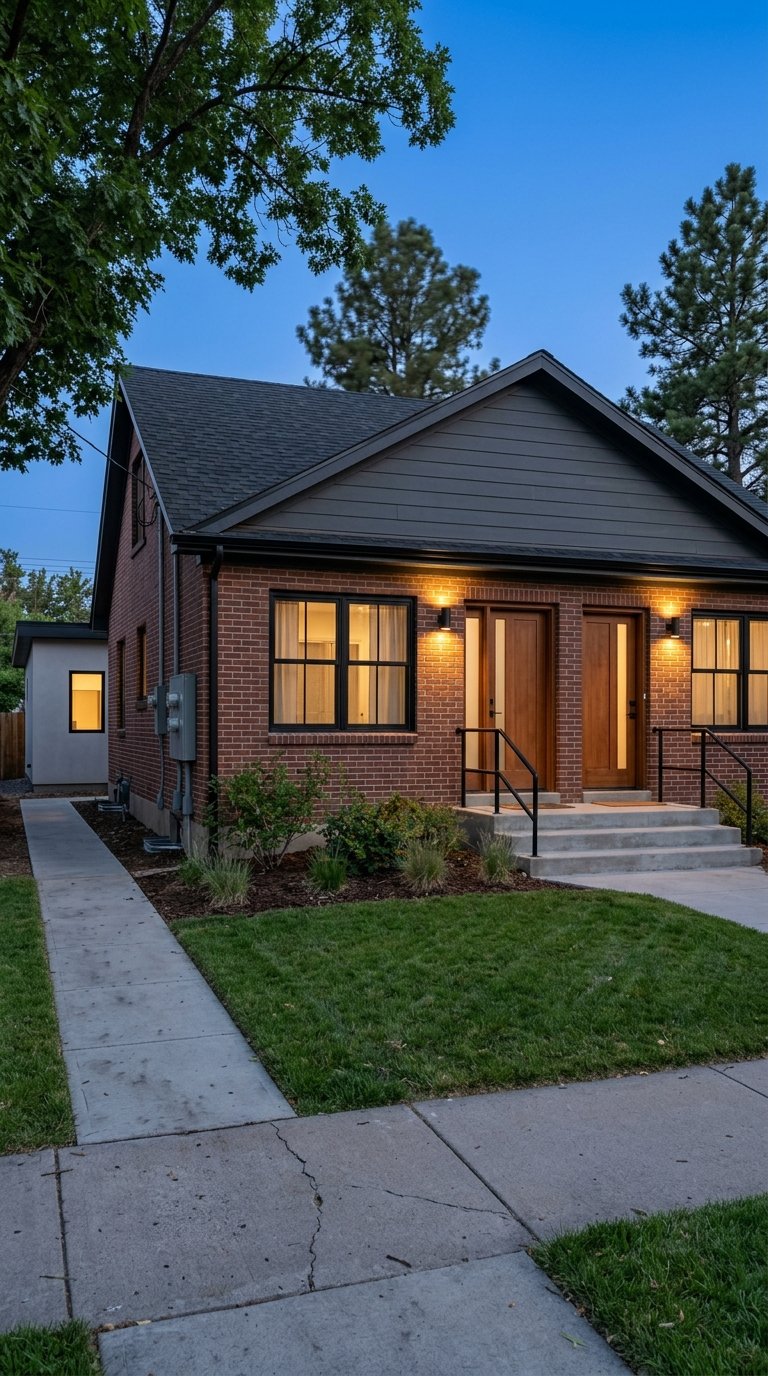
If you want a home in Englewood to do more than just give you a place to live, you are not alone. Many buyers are looking for ways to offset a mortgage, create future flexibility, or build long-term income with a property that works harder for them. The good news is that Englewood’s current development code creates several possible paths, but the details matter. Let’s dive in.
Why Englewood Stands Out
Englewood adopted its current Title 16 Unified Development Code in late 2023. The city has said CodeNext was designed in part to support smaller housing unit sizes and improved rental income for homeowners.
That creates real opportunity if you are exploring duplexes, small multiplexes, or an accessory dwelling unit, often called an ADU. At the same time, Englewood has also noted that online code information may not always reflect the newest ordinances, and draft ADU changes were still under consideration in 2026. That means every income-property plan should start with zoning verification before your offer becomes final.
Three Main Income Setups
If you are trying to create rental income in Englewood, there are three practical property types to watch. Each one offers a different mix of cash flow, financing options, and upfront work.
Duplexes and Small Multiplexes
Englewood defines a multi-unit house as a residential building with two to four principal dwelling units on one lot. In everyday terms, that includes properties commonly called duplexes, triplexes, and quadplexes.
For a house hacker, this can be one of the clearest setups. You may be able to live in one unit and rent the others, which can help offset your monthly housing cost while keeping the property owner-occupied.
Attached Houses
The city also defines an attached house as a side-by-side building with two or more units, each with its own private entrance. Some of these units may be platted on separate lots, so you will want to confirm exactly how the property is classified before you move forward.
That classification matters because the legal structure of the property can affect both zoning analysis and financing. A property that looks straightforward at first glance may fit a different category once you review the parcel details.
Detached Homes With ADU Potential
A detached home can offer another path to income if the lot and zoning allow an ADU. Under Englewood’s current ADU rules, an accessory dwelling unit may be associated with a detached house, a multi-unit house, or an attached house.
An ADU may be located in a detached accessory building, attached to an existing building, or inside the main building, such as in a basement or attic. That gives buyers more than one way to think about value, especially if a property already has extra finished space or room to add a separate unit.
What Englewood Allows for ADUs
ADUs can be appealing because they may create rental income without requiring you to buy a larger multi-unit property. Still, the city’s rules are specific, and the right property is not always obvious from a listing description.
ADU Size Limits
In Englewood’s current code, a detached or attached ADU is capped at 800 square feet. An internal ADU, such as one created within the principal building, may be as large as the building footprint.
That distinction is important if you are comparing a backyard build to a basement conversion. The best option may depend less on the lot alone and more on how the existing home is laid out.
Multiple ADUs on Some Lots
For detached houses in the R-2-B and MU-R-3 districts, the code allows multiple ADUs if the lot area requirement is met. The standard is at least 2,000 square feet of lot area per unit, including the principal dwelling unit, and only one of those units may be in a detached building.
This is one of the reasons zoning research matters so much in Englewood. Two homes that look similar on the surface may offer very different income potential based on district and lot size.
Due Diligence Before You Buy
A property can look perfect for rental income and still run into legal, physical, or cost-related issues. The safest approach is to treat due diligence as part of the investment strategy, not just a box to check.
Start With the Zoning Map
Englewood directs buyers to use the city’s interactive zoning map to confirm parcel zoning. Enter the address, select the parcel, and verify the zoning designation as your first step.
Because the city has also warned that online code information may lag recently adopted ordinances, it is smart to verify zoning and permitted use directly before you remove contingencies. This is especially important if your plan depends on an ADU, a conversion, or future expansion.
Confirm the Building Type
Ask whether the property is legally classified as a detached house, multi-unit house, or attached house. That detail affects what the city may allow and can shape how a lender views the property.
Do not rely only on marketing language in a listing. A “mother-in-law suite,” “garden unit,” or “finished basement” is not the same thing as a legal dwelling unit.
Check Permit History
Permit history can reveal whether finished space was approved as living area or whether it was only intended for storage or another non-habitable use. This matters because Englewood states that garages, storage sheds, and other accessory structures are for storage and may not be used as living quarters.
If you are counting on existing space to generate rent, permit records are one of the first places to look. That can help you avoid buying a property with income potential that exists only on paper.
Review Inspections and Physical Constraints
Englewood says building permits are required for most construction projects, and the Building Division reviews plans for building codes, zoning regulations, drainage control, and other safety issues. For ADUs, the unit must meet design standards, pass building and occupancy permits before use, and comply with fire-safety inspections.
The city also notes that ADUs must connect to water and sewer lines, pay municipal impact fees, and meet separate heating and cooling, electrical, fire separation, and emergency egress requirements. Conversion projects may also trigger a property maintenance inspection for the site, the primary structure, and the proposed ADU.
Know the Real Cost Picture
The purchase price is only part of the math when you are evaluating rental income potential. Fees, utility work, and code compliance can change the return on a project quickly.
Englewood’s 2026 fee schedule lists an ADU application fee of $550 and a zoning verification fee of $150. The city also states that ADU construction is subject to municipal impact fees, so your final budget will likely be higher than the contractor bid alone.
That is why the best opportunities are not always the cheapest homes. Sometimes the stronger buy is the one with clearer legal status, better layout, and fewer unknowns.
Financing Paths for House Hacking
Once you find a property that works legally, the next question is whether it works with your financing plan. This is where many buyers need a clear side-by-side view.
FHA Loans
HUD says FHA loans can require as little as 3.5% down and are available on 1-4 unit properties. FHA loans also require mortgage insurance.
For buyers entering the market for the first time, that can make a duplex or other small multi-unit property more accessible. You will still need to confirm borrower eligibility and property condition with your lender.
VA Loans
VA-backed purchase loans are available only if you will live in the home. The VA says these loans can be used to buy a single-family home with up to 4 units, and they can be made with no down payment as long as the sales price is not higher than the appraised value.
For eligible buyers, that can be a powerful house-hacking option. Owner occupancy remains a key requirement, so the strategy works best when you plan to live on site.
Conventional Options
Freddie Mac states that its 2- to 4-unit mortgage products are for owner-occupied primary residences. It also says rental income from the other units can be added to your total income for qualifying purposes.
That can be especially helpful when you are stretching to qualify for a multi-unit purchase. Even so, underwriting details vary by product, so it is important to match the property type with the right loan structure early in the process.
Long-Term Rentals vs Short-Term Rentals
Some buyers assume they can buy a property, add a second unit, and use it as a short-term rental. In Englewood, that deserves a separate review.
The city says residential-zone short-term rental operators must be the primary resident and live at the property at least 185 days per year. All short-term rental operators must also hold both a city sales-and-use-tax license and a short-term rental license.
If your plan depends on vacation-style rental income, do not assume the rules are the same as long-term leasing. Englewood treats short-term rentals under a separate and tighter framework.
Smart Questions to Ask Early
The best house-hack and ADU deals often come from asking the right questions before you fall in love with a property. A little extra research up front can save you time, money, and frustration.
Here are a few questions worth asking early:
- What is the parcel’s current zoning?
- Is the home legally classified as detached, attached, or multi-unit?
- Is any basement, attic, or outbuilding approved as legal living area?
- Are there permits on file for prior conversions or additions?
- Will the property need added utility connections or major code upgrades?
- Are municipal impact fees likely to affect the project budget?
- Does your financing plan match the property type and your occupancy plan?
A property can be legal under Englewood zoning and still fall short under your loan program. Keeping the zoning review and financing review separate is one of the smartest ways to evaluate a deal clearly.
How to Approach the Opportunity
Englewood gives buyers several real ways to create income from residential property, whether that means buying a duplex, adding an ADU, or living in one unit while renting another. The opportunity is real, but so is the need for careful research.
If you want to move confidently, focus on properties where the zoning, permit history, physical layout, and financing path all line up. That is where income potential becomes more than a nice idea and starts to look like a workable plan.
If you are weighing duplexes, ADU opportunities, or a house-hacking purchase in Englewood, T.J. Gordon can help you evaluate the property, the zoning questions, and the practical next steps with a clear local strategy.
FAQs
What property types in Englewood can create rental income?
- In practical terms, buyers often focus on duplexes or small multiplexes, detached homes with ADU potential, or homes with existing basement or attic space that may qualify as an internal ADU under current city rules.
What are the ADU size rules in Englewood?
- Under the current code, detached or attached ADUs are limited to 800 square feet, while an internal ADU may be as large as the building footprint.
What should you verify before buying an Englewood house-hack property?
- You should confirm parcel zoning, verify the legal building type, review permit history, check whether any extra unit is approved living space, and ask about inspections, utility connections, impact fees, and occupancy requirements.
What financing can work for an Englewood duplex or small multi-unit home?
- FHA, VA, and certain conventional owner-occupied loan options may work for 1-4 unit properties, but each program has different occupancy, underwriting, and qualification rules.
What are the short-term rental rules for Englewood residential properties?
- The city says residential-zone short-term rental operators must be the primary resident, live at the property at least 185 days per year, and hold both a city sales-and-use-tax license and a short-term rental license.
Why is zoning verification so important for Englewood ADUs?
- Englewood directs buyers to confirm parcel zoning through the city’s zoning map, and the city has also noted that online code information may not always reflect the most recent ordinances, so verification is a key part of due diligence.