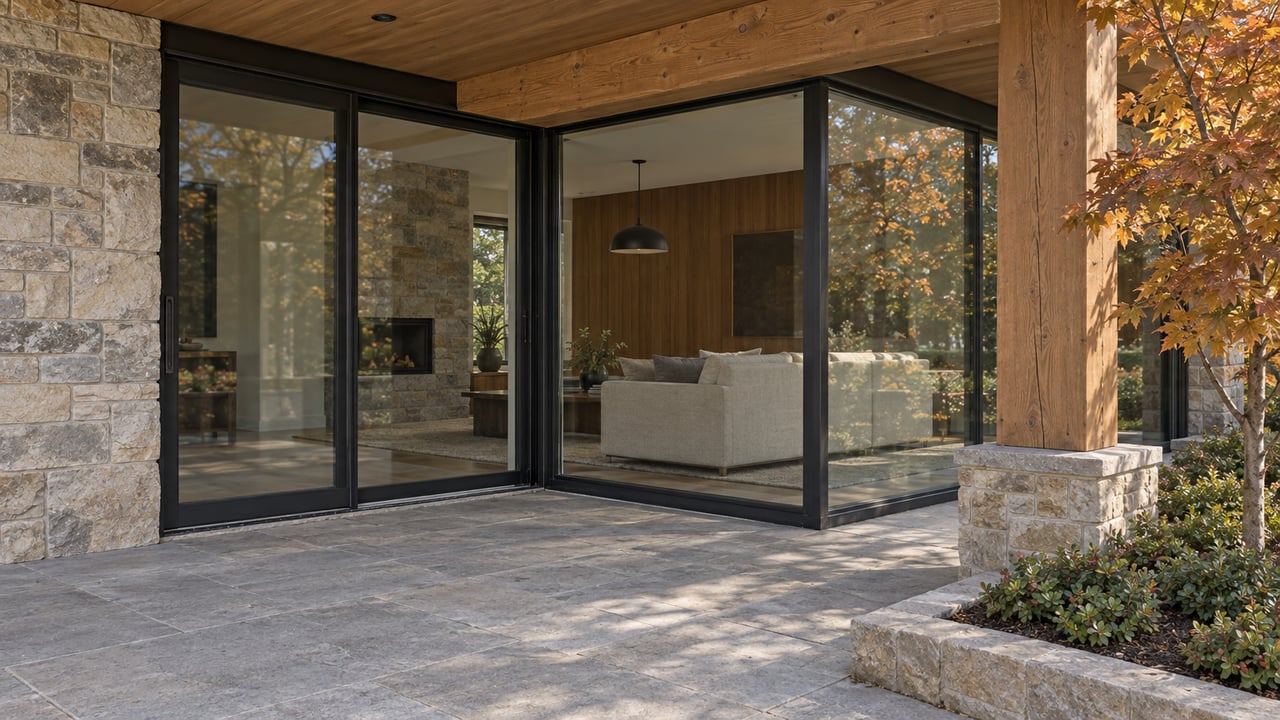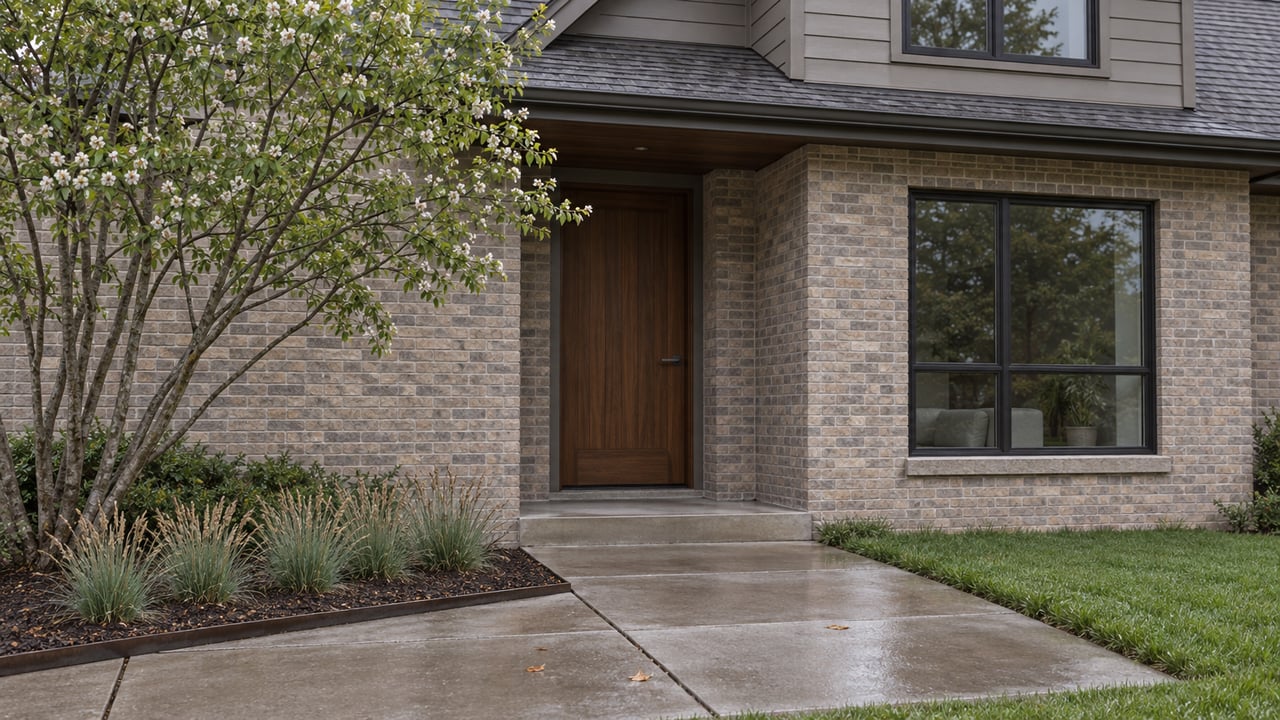
If you are thinking about buying a condo or townhome in Lakewood, you are probably weighing more than price alone. You want the right mix of convenience, upkeep, transit access, and long-term predictability, and attached-home living can look very different from one part of the city to another. This guide walks you through what to compare, what to verify with the HOA, and how to shop smarter in Lakewood before you write an offer. Let’s dive in.
Why Lakewood works for attached-home buyers
Lakewood gives you a wide range of attached-home options within one city. You can compare a condo in a more central mixed-use setting, a townhome near a rail station, or an attached home in a quieter pocket with a more suburban feel. That variety is one reason many buyers keep Lakewood on their shortlist.
The city also makes research easier than in many markets. Lakewood Atlas can help you look up parcel-level details by address, including zoning, tax rates, subdivisions, and schools. When you are deciding between two properties that seem similar online, that kind of address-specific information can help you make a more informed call.
Lakewood lifestyle differences to compare
Not all Lakewood condo and townhome locations live the same way day to day. Some areas are built around shopping, dining, and public spaces, while others are shaped more by transit access, trail connections, or a lower-density setting. Your best fit depends on how you want to spend a typical weekday and weekend.
Belmar is one of the clearest examples of a more urban-style option in Lakewood. The city describes Belmar, at Alameda and Wadsworth, as Lakewood’s downtown and one of its most successful redevelopment projects, with 22 city blocks, more than 1 million square feet, more than 80 shops and restaurants, over 1,300 residential units, plus parks, plazas, green space, and public art.
Lakewood also includes other commercial and mixed-use areas that may matter to buyers. The city highlights Lakewood City Commons west of Belmar, along with neighborhood centers such as Belleview Shores and Marston Plaza in south Lakewood. If daily errands, nearby services, or a more connected feel matter to you, these areas may be worth a closer look.
Transit and mobility in Lakewood
For many condo and townhome buyers, lower-maintenance living goes hand in hand with easier mobility. Lakewood has a useful transit advantage because RTD’s W Line runs through the city. The schedule page lists stations including Lakewood-Wadsworth, Lamar, Oak, Federal Center, and Red Rocks College.
RTD also notes that the W Line runs from Denver’s Union Station to Jefferson County Government Center-Golden through Denver, Lakewood, and Golden. That can be an important factor if you want rail access for commuting, events, or day-to-day flexibility. If transit matters to you, compare the exact property location, not just the neighborhood name.
Bike and trail access can also shape daily life. Lakewood’s city maps highlight bike facilities and the Bear Creek Greenbelt trail connection, which runs from Wadsworth Boulevard west to Bear Creek Lake Park. If you want a more car-light routine, these details are worth checking before you move forward.
Neighborhood patterns buyers often compare
Many attached-home buyers in Lakewood end up comparing a few distinct location types. Central Lakewood around Belmar and South Alameda often comes up because of its mixed-use environment and ongoing change tied to redevelopment. The city describes South Alameda as an area near several major commercial corridors and notes that it is in transition because of the Belmar redevelopment.
Transit-oriented buyers often look closely at station-area plan locations. Lakewood identifies station-area plans for Garrison Street, Lamar Street, Oak Street, Sheridan Boulevard, Union Corridor, and Wadsworth Boulevard. If access to rail or bus service is high on your list, these are useful places to study more carefully.
Broader comparison areas in Lakewood’s 2024 Strategic Housing Plan map include Applewood, Green Mountain, Morse Park, Eiber, Union Square, Kendrick Lake, Bear Creek, and Rooney Valley. The key takeaway is simple: two Lakewood townhomes can offer very different tradeoffs depending on whether they are near a mixed-use core, close to a station area, or on a more suburban edge.
Why HOA review matters so much
With condos and many townhomes in Colorado, the property is often part of a common-interest community. That means your ownership, monthly costs, use rights, and maintenance responsibilities may be shaped by recorded documents and association rules. Before you get too attached to a unit, make sure you understand the framework around it.
In Colorado, many attached homes are governed by a recorded declaration. The Colorado Legislative Council summary explains that the Colorado Common Interest Ownership Act went into effect in 1992, and while many provisions apply broadly, some apply only to communities created on or after July 1, 1992. Older communities may still fall under the Condominium Ownership Act.
That declaration matters because it describes the legal structure of the community and the rules or covenants owners must follow. In practical terms, it helps define what you own, what the HOA maintains, and what restrictions may apply. This is not background paperwork. It is central to understanding what you are buying.
What to review before going under contract
Colorado’s Department of Regulatory Agencies advises prospective buyers to obtain the declaration from the county clerk and recorder before going under contract. DORA also recommends reviewing the common elements the HOA maintains, the plat map, how assessments are determined, and any property-use restrictions. That review can save you from unpleasant surprises later.
The same advisory recommends that buyers look for physical signs of deferred maintenance and ask about special assessments, litigation, lender HOA questionnaires, HOA registration status, and how dues have changed over time. These items can affect both your monthly budget and your long-term risk. A property that looks great during a showing may still carry issues at the association level.
Colorado’s HOA Information and Resource Center is the state consumer resource for understanding rights and responsibilities under CCIOA. DORA also states that HOA registration is statutorily required, and an unregistered HOA cannot pursue enforcement or file a lien against a delinquent homeowner. For buyers, registration status is one more sign of whether the association appears to be operating as required.
Reserve studies and financial health
Reserve funding is one of the most important things to understand in any condo or townhome purchase. Colorado law now requires mandatory reserve studies for common interest communities that have major shared components, and declarants must provide reserve studies to potential purchasers in seller disclosures. If the community has significant shared roofs, siding, pavement, or other costly components, this review becomes especially important.
A reserve study helps you understand whether the HOA is planning for future repairs and replacements. If reserve balances are low or planning appears weak, the risk of future special assessments may be higher. Buyers should treat reserve information as a core part of due diligence, not a side issue.
Colorado’s HOA governance law summary also says associations must keep available records that include fees chargeable upon sale, financial statements, reserve fund balances, insurance policies, and meeting minutes. The same summary notes a $50-per-day penalty if access is not provided within 30 calendar days after a certified-mail request. In real life, a responsive and transparent HOA can make your due diligence process much smoother.
Insurance and maintenance questions to ask
Insurance and maintenance obligations can vary more than buyers expect. For post-1992 communities, the Colorado law summary says HOAs must carry property insurance on the common elements and commercial general liability insurance. That can help you understand where the association’s responsibility may begin and end.
The same summary also notes that expenses tied to a limited common element must be assessed only against the unit or units that benefit from it. That matters when features such as parking spaces, storage areas, balconies, or other shared design elements are involved. If a feature seems to come with the unit, verify how it is legally classified before you assume anything.
Parking and storage are not always simple
Parking and storage are common pain points in attached-home purchases. A showing may make a garage bay, storage closet, or parking spot seem straightforward, but the governing documents tell the real story. Buyers should confirm whether these spaces are deeded, assigned, shared, or subject to specific rules.
Because declarations define common elements and limited common elements, the exact status of a parking or storage area can affect both your use rights and your costs. The same is true for guest spaces, exterior areas, and balconies. If parking is a deal-breaker for your household, this should be one of the first questions you answer, not one of the last.
A practical Lakewood buyer checklist
As you narrow down Lakewood condo and townhome options, keep your review focused on the exact property and the exact HOA. A strong process can help you compare homes more clearly and avoid preventable surprises.
- Read the declaration, CC&Rs, plat map, rules, and financial or reserve materials before removing contingencies.
- Verify HOA registration status, special-assessment history, litigation, reserve study status, reserve balances, and insurance coverage.
- Confirm how parking, guest spaces, storage, garages, balconies, and exterior maintenance are allocated.
- Compare transit access, bike routes, and trail connections for the specific address rather than relying on a broad neighborhood label.
- Use Lakewood Atlas to compare zoning, tax rates, subdivisions, and schools by parcel before making an offer.
Final thoughts on buying in Lakewood
Lakewood can be an excellent place to buy a condo or townhome, but attached-home shopping here works best when you look beyond finishes and list price. The right choice often comes down to a combination of location pattern, transit access, HOA health, reserve planning, and the fine print around parking, storage, and maintenance. When you understand those pieces early, you can buy with more confidence and fewer surprises.
If you want a clear, research-driven approach to buying a condo or townhome in Lakewood, T.J. Gordon can help you compare options, evaluate the details that matter, and move forward with confidence.
FAQs
What should buyers review in a Lakewood condo HOA before making an offer?
- Buyers should review the declaration, CC&Rs, plat map, rules, reserve materials, financial statements, insurance information, special-assessment history, litigation, and HOA registration status.
How can buyers compare townhome locations in Lakewood more accurately?
- Buyers can compare exact addresses using Lakewood Atlas for parcel-level details such as zoning, tax rates, subdivisions, and schools, then evaluate nearby transit, bike routes, and trail connections.
What makes Belmar important for Lakewood condo buyers?
- Belmar is described by the city as Lakewood’s downtown and includes residential units, shops, restaurants, parks, plazas, green space, and public art, making it a common comparison point for buyers seeking a mixed-use setting.
Why do parking and storage need extra review in a Lakewood condo or townhome purchase?
- Parking and storage may be deeded, assigned, shared, or governed by special rules, so buyers should verify their legal status in the governing documents rather than relying on what appears during a showing.
How does transit affect condo and townhome shopping in Lakewood?
- RTD’s W Line serves multiple Lakewood stations, so buyers who want easier access to Denver, Golden, or a more car-light routine should compare properties based on their exact distance and connection to transit options.