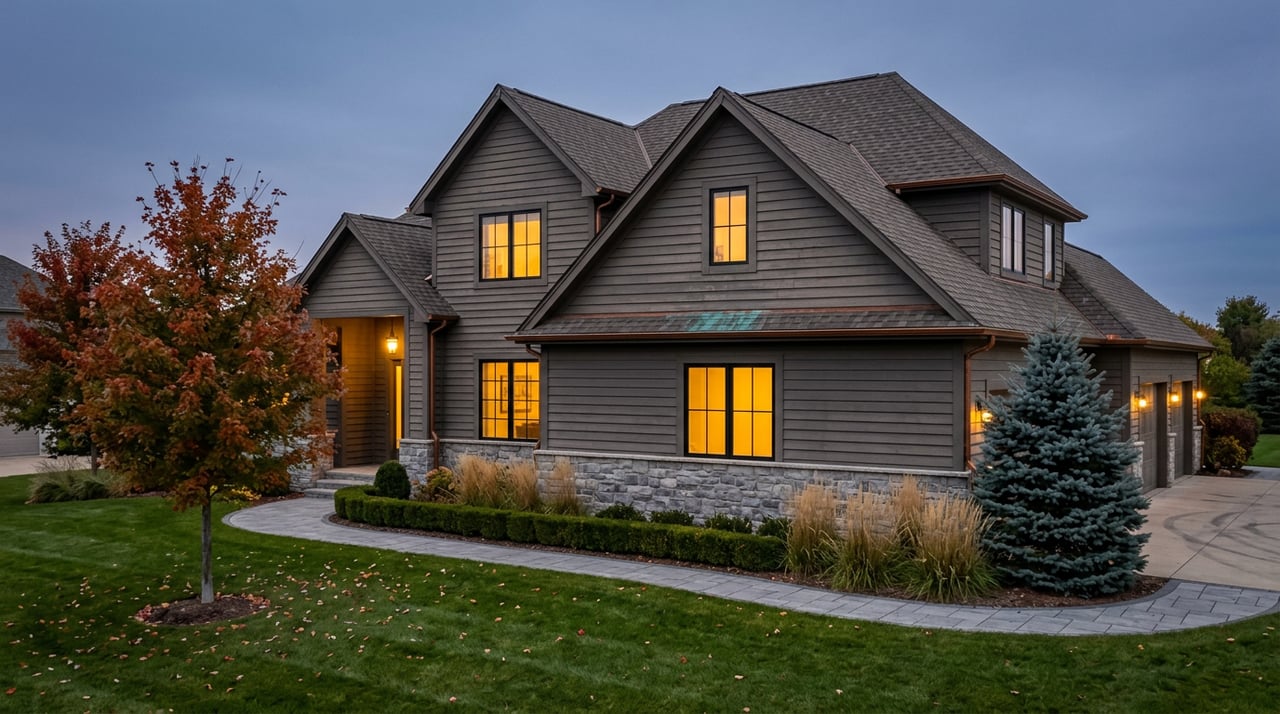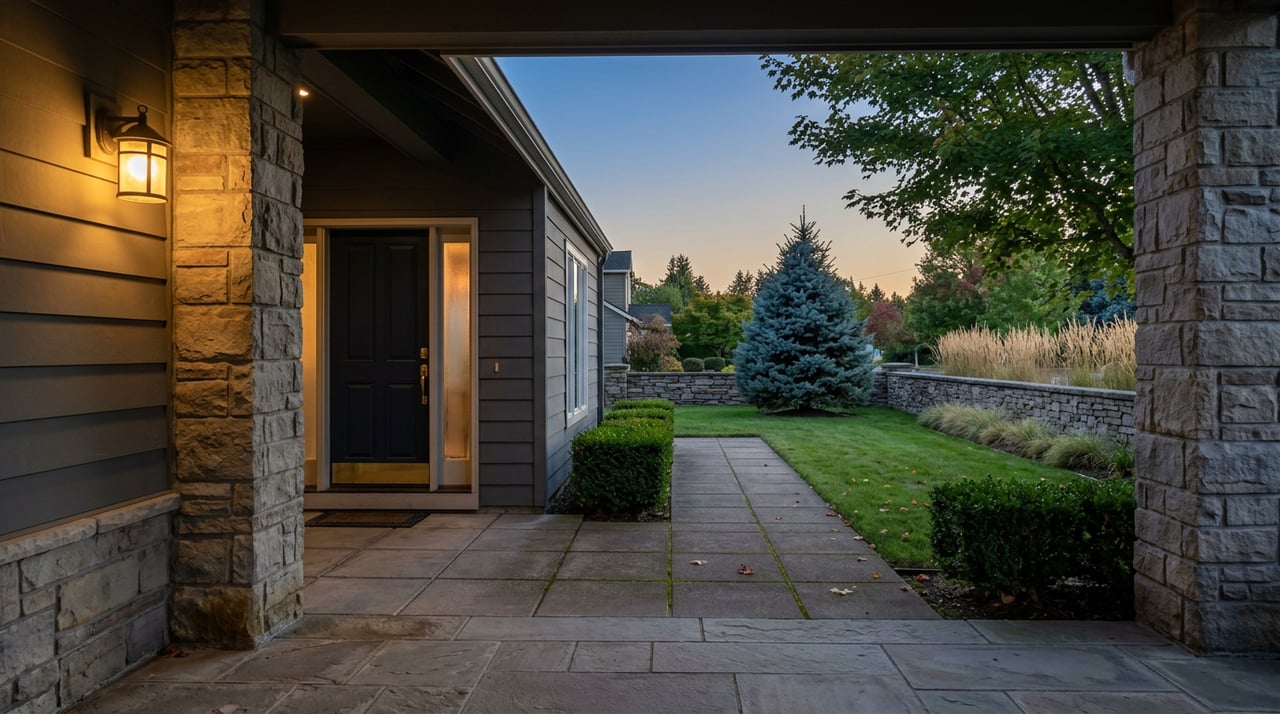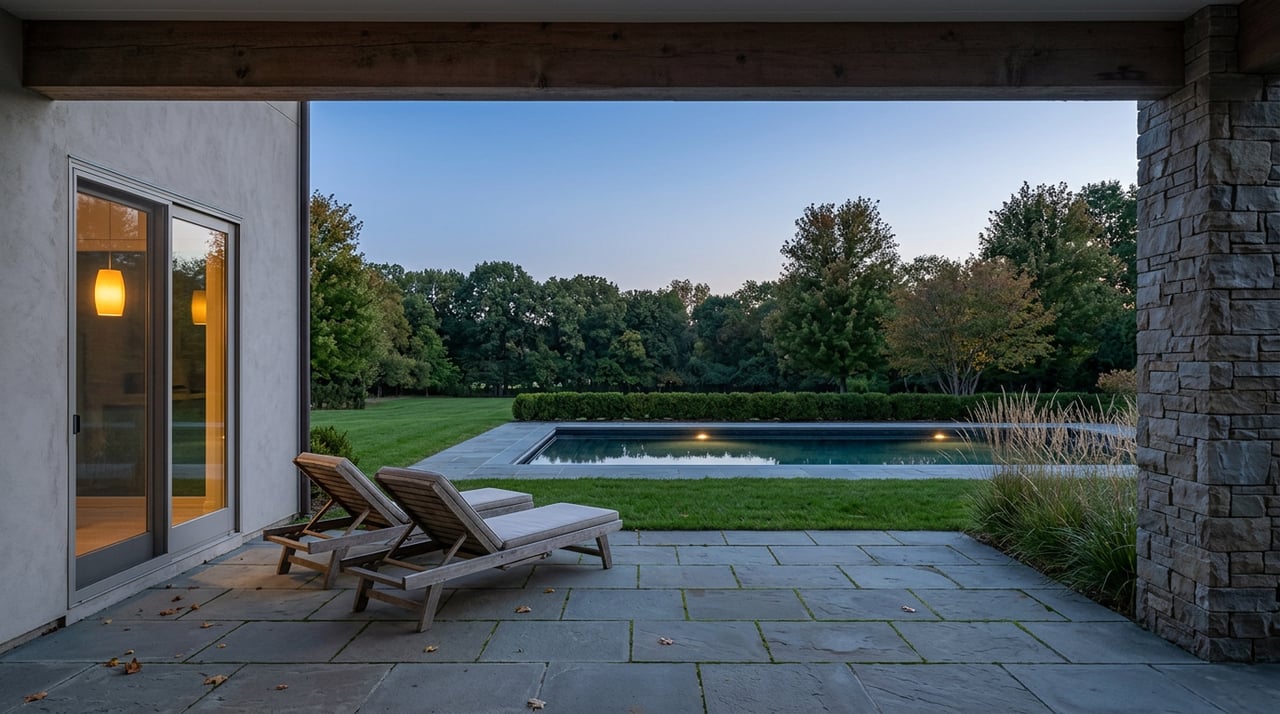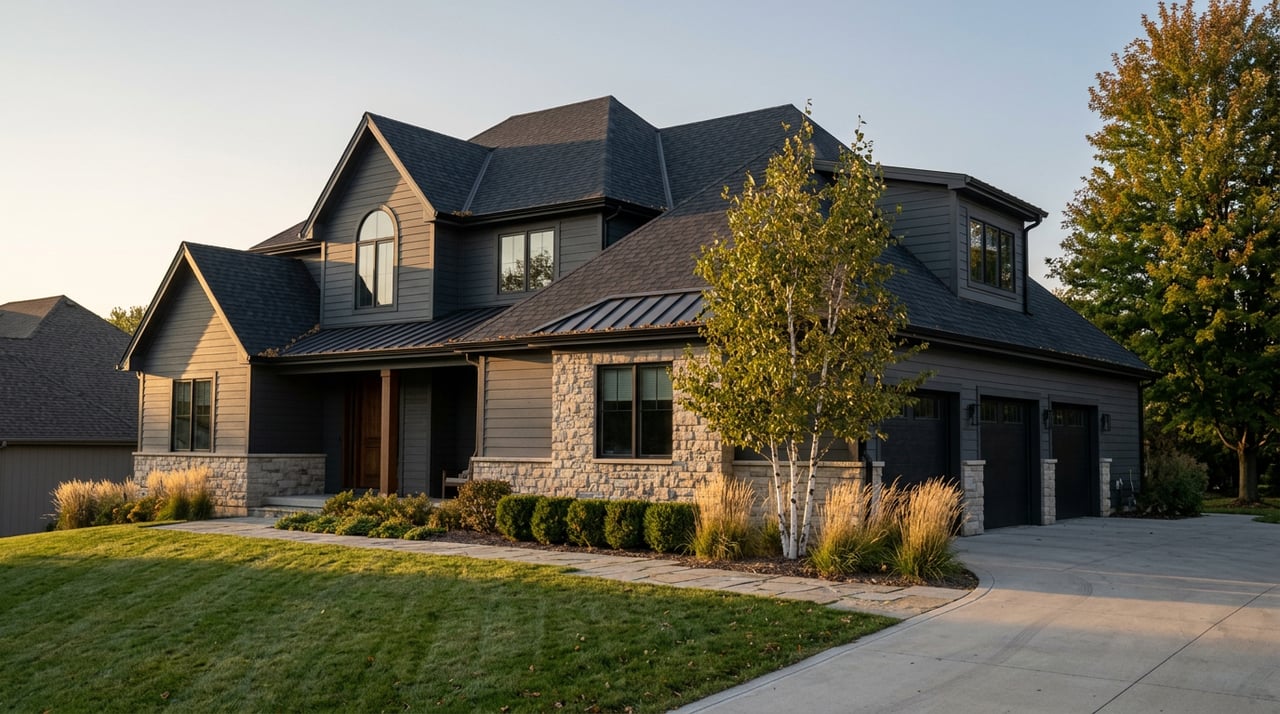
If you are thinking about buying new construction in Aurora, you are not alone. New-build homes can offer modern layouts, builder warranties, and the chance to personalize finishes, but the process is very different from buying a resale home. When you know what to expect before you sign, you can make smarter decisions about communities, contracts, upgrades, inspections, and timing. Let’s dive in.
Why New Construction Matters in Aurora
Aurora remains an active growth and planning market, especially in areas shaped by ongoing corridor and transportation studies. The city’s plans and studies include work tied to places like East Colfax east of I-225, the Havana district, the northeast area, and the southeast area. For you as a buyer, that helps explain why new-home communities continue to be a real option in Aurora.
In many cases, Aurora buyers are not choosing between a resale home and a fully custom home. They are more often comparing resale homes with production-builder communities, stock plans, or spec homes that are already underway. That distinction matters because the type of new construction you choose affects your timeline, your choices, and your final price.
Know Your New Construction Options
Before you tour model homes, it helps to understand the main paths available to you.
Production Homes in Aurora
Production builders typically build entire communities and usually control the land, floor plans, and many of the neighborhood features. You may see amenities like trails, playgrounds, or planned access to shopping as part of the overall community design. In Aurora, this is often the most common new-construction path for buyers.
With a production builder, you usually start by touring a model home or reviewing a series of plans. From there, you choose a lot, a floor plan, and a package of standard features with optional upgrades. This can give you some personalization without the longer timeline of a fully custom build.
Stock Plans vs. Spec Homes
A stock plan is a pre-designed home plan that shortens the design process. If you want a new home but do not want to spend months making structural decisions, this can be a practical option. It can also simplify budgeting compared with a more open-ended build.
A spec home is a property that is already under construction or recently completed. Depending on the stage of construction, you may still be able to choose items like flooring, tile, countertops, cabinets, lighting, or vanities. The farther along the home is, the fewer choices you will usually have.
Why Build Stage Matters
One of the biggest factors in new construction is when you are buying. If you get involved early, you may have more control over the lot and design selections. If you buy later in the process, you may gain speed but lose flexibility.
That is why lot selection and build stage are often two of the most important questions to ask right away. A home’s advertised base price tells only part of the story. Your actual cost may change based on lot premiums, structural options, and finish upgrades.
How the Purchase Process Works
Buying from a builder can feel streamlined on the surface, but there are still several moving parts. Knowing the sequence can help you stay organized and avoid expensive surprises.
Step 1: Choose the Community and Lot
Your first decision is often the community itself. In Aurora, that can mean comparing location, planned amenities, commute patterns, and whether the area is still in active development. A lot may also carry a premium based on size, view, orientation, or placement within the community.
Once you narrow the community, ask what is included in the base price and what costs extra. This is also the right time to ask how far out the estimated completion date is and how much customization is still available.
Step 2: Treat the Builder Contract Seriously
In Colorado, a real estate offer must be in writing, and brokers generally use Commission-approved forms unless the contract is drafted by the buyer, seller, or an attorney. For new construction, builders often use their own contract forms. That means you should not think of the builder agreement as a simple reservation form.
It is still a binding real estate contract. Before you sign, make sure you understand deadlines, deposit terms, upgrade policies, financing requirements, and what happens if construction is delayed.
Step 3: Understand Broker Representation
Colorado requires brokers to disclose the working relationship in writing. The two brokerage relationships are single agency and transaction broker. If you are visiting builder communities, it is important to understand who represents whom and to have that relationship clarified early.
This matters because the sales team at the community works for the builder. Your own representation can help you compare communities, evaluate contract terms, and keep the process moving from contract through closing.
Step 4: Plan Financing Early
Many buyers assume financing comes after they pick upgrades, but the financing conversation should begin much earlier. Builders may ask for an upfront builder deposit, also called earnest money, so you should ask under what conditions that deposit can be returned.
You also do not have to use the builder’s affiliated mortgage lender. You have the right to shop for a better deal. If the builder offers incentives tied to a preferred lender, compare the full package carefully so you can weigh the value of the incentive against the loan terms.
What to Expect at the Design Center
For many buyers, the design-center appointment is exciting and stressful at the same time. It is where your home starts to feel personal, but it is also where costs can rise quickly.
Standard Features vs. Upgrades
Builders commonly offer choices in appliances, countertops, flooring, cabinetry, and fixtures at different price points. Some items are included in the base price, while others are optional. The difference between those two categories can have a major effect on your budget.
Ask for a detailed breakdown of what is standard before your appointment. That way, you can focus on upgrades that matter most to your daily life rather than making rushed decisions in the moment.
Budget for the Full Picture
A low base price can be appealing, but it may not reflect the home you actually want to buy. Lot premiums, structural changes, and finish selections can increase the total cost in a meaningful way. If you are comparing communities, compare the expected all-in price rather than only the starting price.
It also helps to prioritize upgrades. Some choices are easier to change later, while others are more disruptive or expensive to redo after you move in. A clear budget and a ranked wish list can keep the process manageable.
Timeline, Permits, and Closing in Aurora
New construction usually takes more patience than a resale purchase. Even when the process feels smooth, timing can change based on construction stage, permitting, inspections, weather, and completion of site work.
How Long New Construction Can Take
For fully custom homes, the design phase often lasts three to six months, and the construction phase typically lasts at least 12 to 16 months. Production homes and spec homes may move faster than that, but your timeline still depends on how far along the home is when you go under contract.
If you need to move by a specific date, ask for realistic timing rather than best-case timing. A nearly finished home may still not be ready for closing if key steps are not complete.
Aurora Permits and Certificate of Occupancy
Aurora’s process is specific. Construction can begin only after required permits are issued, and projects are inspected at specified stages. Approved plans must also be kept on site during construction.
The city separates building permits, public-improvement permits, and irrigation or lawn permits. Aurora also states that a Certificate of Occupancy is not issued until required building inspections and all public improvements are complete. So if a community looks almost done, that does not always mean it is ready for move-in.
Why Independent Inspections Still Matter
One of the most common misunderstandings in new construction is the belief that a brand-new home does not need an inspection. In reality, city inspections and buyer inspections serve different purposes.
City Inspections and Buyer Inspections Are Different
City inspections help confirm compliance with local permitting and construction requirements. Your independent inspector works for you and evaluates the home from your perspective as the buyer. Those roles are not the same, and one does not replace the other.
Many buyers choose phase inspections during construction, including the foundation stage, pre-drywall, and final punch-out. Another inspection around the 10- to 11-month mark can also be useful while the builder warranty is still active.
Best Times to Inspect
If your contract and construction timing allow it, consider these checkpoints:
- Foundation stage
- Before drywall
- Final walkthrough or punch-out stage
- Around month 10 or 11 of ownership
This approach can help you catch issues earlier, document concerns clearly, and make better use of your warranty period.
Due Diligence in Aurora
New construction in Aurora involves more than floor plans and finishes. You also need to review the rules, costs, and local structures tied to the property and community.
Review HOA Documents Early
Before going under contract, a prospective buyer can obtain HOA CC&Rs from the county clerk and recorder. Reviewing these documents can help you understand common elements, regular assessments, restrictions, and possible special-assessment risk.
That review is important because HOA terms can affect your monthly costs and how you use the property. It is much better to understand those details before you are under contract than after.
Understand Metro Districts
Metro districts are an important Aurora-specific issue in many newer communities. Aurora explains that metro districts are independent governments that can issue tax-exempt bonds to finance infrastructure and impose property taxes to repay those bonds.
The city requires new metro districts to follow a model service plan that includes protections such as maximum mill levies and limited terms. Even so, you should understand whether a community is in a metro district and how that may affect your property tax obligations.
Check Local Assistance Programs
Aurora currently offers down payment assistance of 4% to 10% of the purchase price for qualifying buyers within the city. The program is available through October 31, 2026, or until funds are exhausted. The city also offers homebuyer education seminars covering financing, working with a realtor and lender, city codes, and responsibilities of ownership.
If you are stretching to cover deposits, closing costs, and upgrades, these local resources may be worth exploring early in the process. New construction often requires more upfront cash planning than buyers expect.
Where a Buyer’s Agent Adds Value
Builder communities are designed to feel easy to navigate, and in many ways they are. But ease does not mean simplicity. There are still decisions about community comparison, pricing, incentives, contracts, upgrades, financing, and timing.
A buyer’s agent can help you look past the model-home presentation and compare the full terms of each opportunity. That includes weighing builder incentives against loan terms, upgrade costs, and long-term value. It also means helping you stay organized after contract, when deadlines and decisions start to pile up.
For many buyers, representation matters because the process is longer and more layered than a typical resale purchase. New construction can be a great fit in Aurora, but it is easier to navigate when you go in with a clear plan and experienced guidance.
If you are considering a new-build home in Aurora, T.J. Gordon can help you compare communities, understand the tradeoffs, and move through the process with more clarity and confidence.
FAQs
What types of new construction homes are common in Aurora?
- In Aurora, buyers often look at production-builder communities, stock plans, and spec homes rather than fully custom construction.
What should Aurora buyers know about builder contracts?
- In Colorado, a real estate offer must be in writing, and a builder contract is still a binding real estate contract, not just a casual reservation form.
Can you use your own lender for new construction in Aurora?
- Yes. You do not have to use the builder’s affiliated mortgage lender, and you have the right to shop for financing.
Why can a new construction home in Aurora be delayed near completion?
- Aurora does not issue a Certificate of Occupancy until required building inspections and all public improvements are complete.
Do you still need an inspection on a new home in Aurora?
- Yes. City inspections and your independent buyer inspection serve different purposes, and many buyers choose phase inspections plus a later warranty-period inspection.
What should you review about an Aurora new construction community before signing?
- You should review HOA documents, understand whether the property is in a metro district, and ask about deposits, upgrade costs, and the estimated construction timeline.